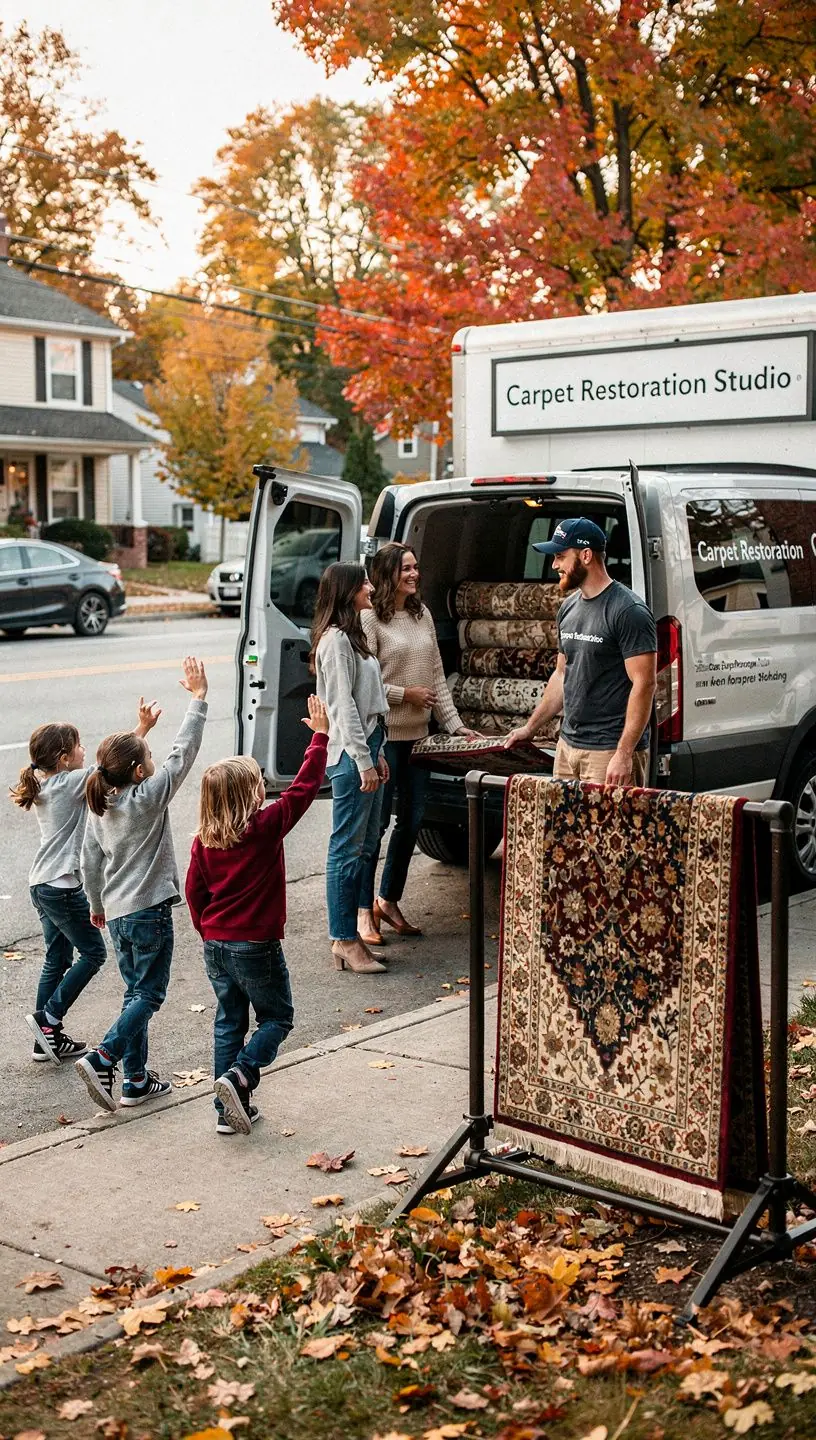
Understanding the Lifespan of Various Carpet Types
Carpets are a significant investment in any home or office space, but their lifespan can vary greatly depending on the type of carpet, maintenance practices, and environmental factors. This article aims to provide insights into the expected longevity of different carpet types and the best practices to extend their life.
Understanding Carpet Types
Carpets come in various materials, each offering unique characteristics. According to industry experts, the most common carpet types include:
- Nylon: Known for its durability and resilience, nylon carpets typically last between 10 to 15 years with proper care.
- Polyester: While this type is often more affordable, its lifespan is generally shorter, lasting around 5 to 10 years.
- Wool: A natural fiber known for its luxurious feel, wool carpets can last 15 to 25 years, but they require more maintenance.
- Olefin: Often used in outdoor settings, olefin carpets can last around 5 to 10 years, depending on exposure to sunlight and moisture.
The Factors Influencing Carpet Lifespan
The lifespan of a carpet is influenced by several factors, including:
- Foot Traffic: Areas with high foot traffic, such as hallways and entrances, tend to wear out carpets more quickly. Research indicates that carpets in such areas may require replacement 2 to 5 years sooner than those in less frequented spaces.
- Maintenance Practices: Regular cleaning and professional maintenance can significantly extend the life of a carpet. Studies show that carpets that are cleaned professionally every 12 to 18 months can last up to 50% longer than those that are not.
- Environmental Conditions: Factors such as humidity, sunlight, and temperature can affect carpet durability. For instance, carpets exposed to direct sunlight may fade and wear more quickly, which is why many experts recommend using window treatments to minimize exposure.
Best Practices for Extending Carpet Life
To maximize the lifespan of your carpets, consider implementing the following practices:
- Regular Vacuuming: Frequent vacuuming helps remove dirt and debris that can wear down fibers. Industry experts suggest vacuuming at least once a week.
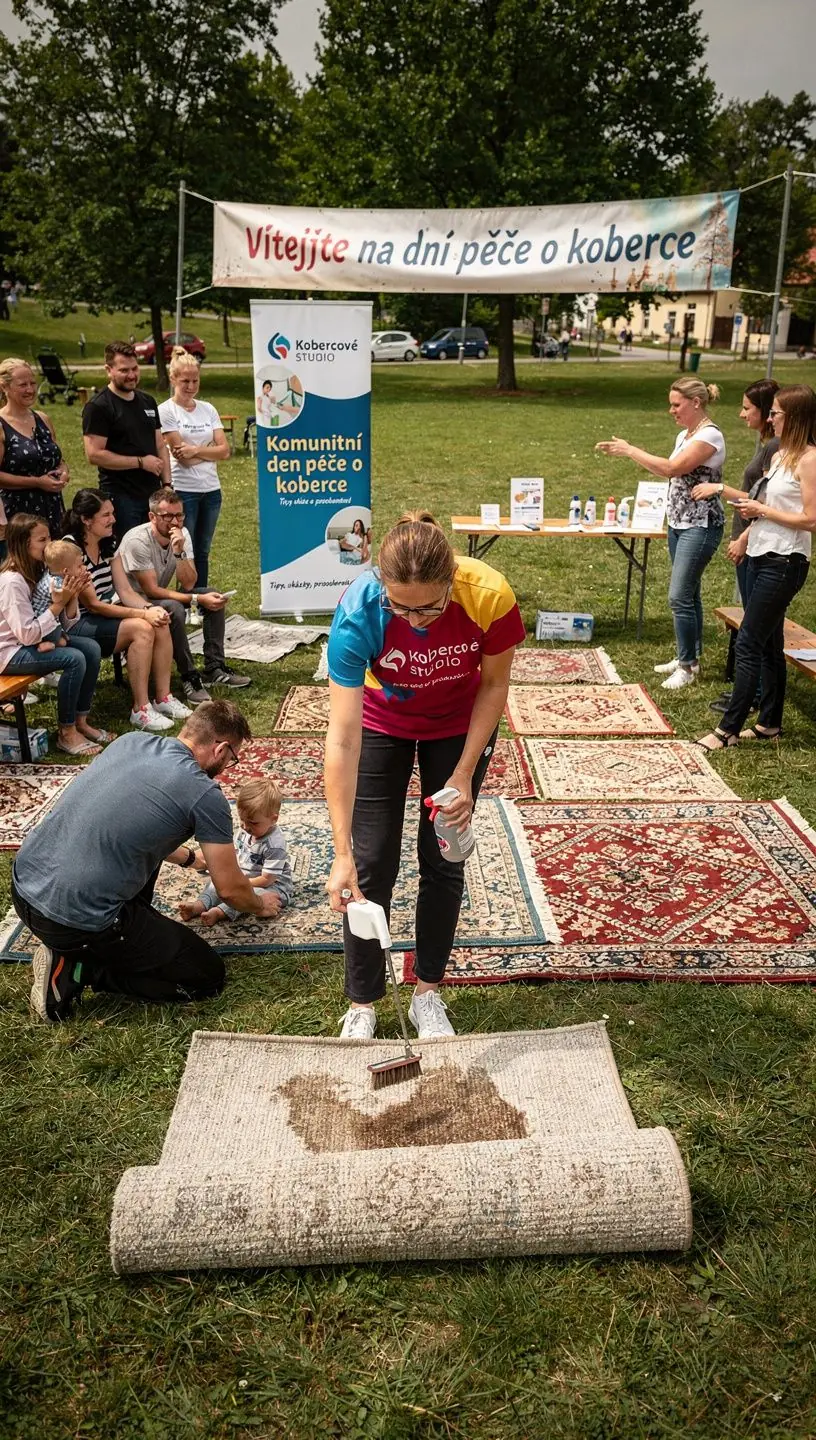
- Professional Cleaning: Aim for professional cleaning every 12 to 18 months to remove deep-seated dirt and stains effectively. This process typically takes a few hours, depending on the size of the area.
- Use Area Rugs: Placing area rugs in high-traffic areas can protect your carpets from excessive wear and tear. This method is particularly effective in prolonging the life of lighter-colored carpets.
"Regular maintenance and mindful usage can significantly extend the lifespan of your carpets, often resulting in cost savings in the long run." - Carpet Care Expert
Conclusion
Understanding the lifespan of various carpet types and the factors that influence their longevity can help you make informed decisions about your flooring investments. By adopting recommended maintenance practices and being mindful of environmental impacts, you can enhance the durability of your carpets and enjoy their aesthetic for many years to come. For those considering restoration or long-term storage options, consulting with a professional carpet care service can provide tailored solutions to meet your needs.
Learn More