Exploring Different Carpet Weaving Techniques
Carpets are more than just floor coverings; they are pieces of art that reflect culture and craftsmanship. In this article, we delve into the various weaving techniques used in carpet-making, offering insights into their historical significance and practical applications.
Understanding Weaving Techniques
Carpet weaving is a time-honored tradition that varies significantly across different cultures and regions. According to the World Carpet Association, there are several primary weaving methods, each with unique characteristics and benefits. Understanding these techniques can enhance your appreciation for carpets and help you select the right one for your needs.
1. Knotted Weaving
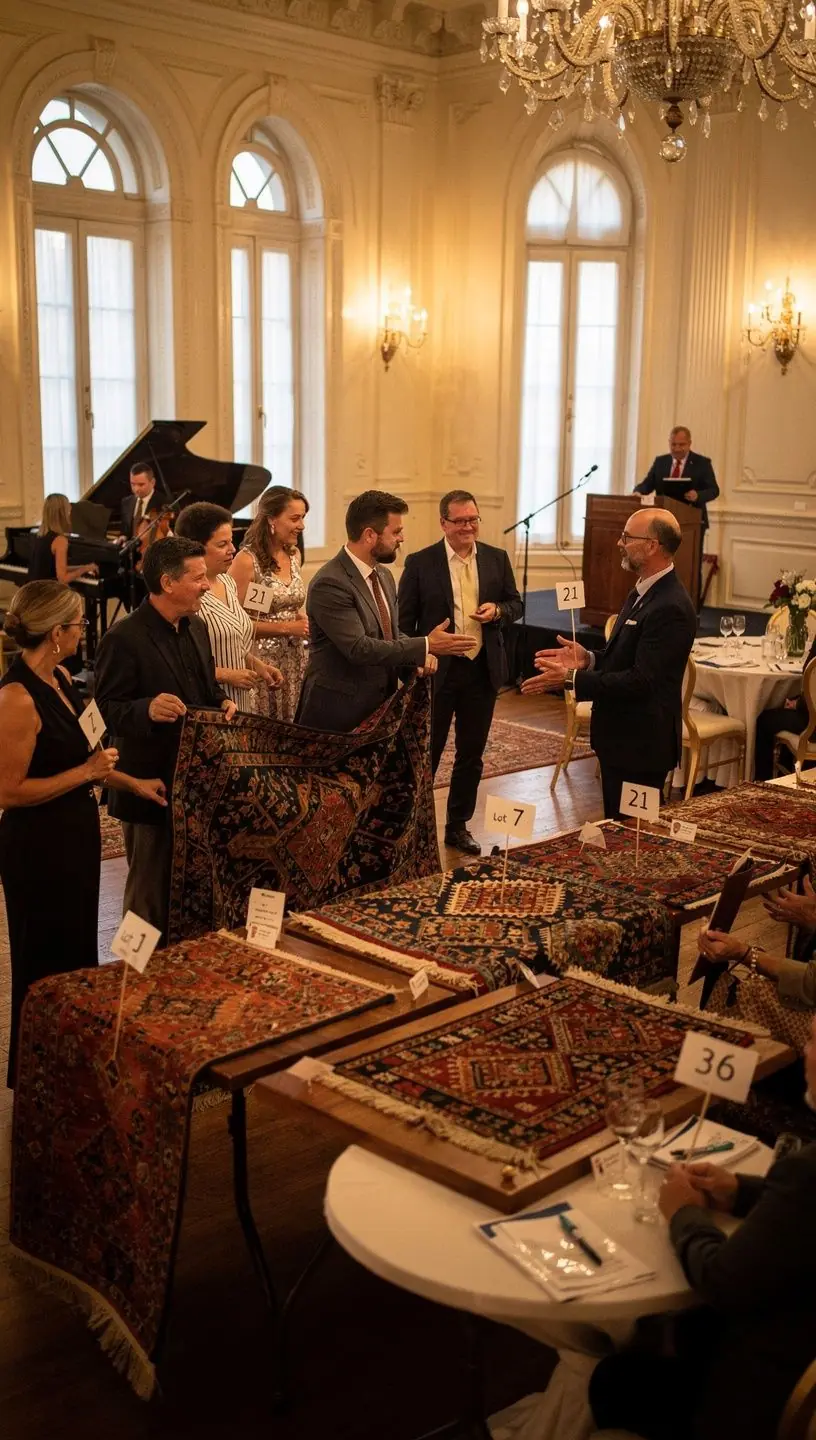
Knotted weaving is one of the oldest methods still in use today, often seen in Persian and Oriental carpets. This technique involves tying individual knots of yarn around vertical threads, creating a dense and durable fabric. Experts recommend this method for areas with high foot traffic, as it offers excellent resilience.
2. Tufted Weaving
In tufted carpets, yarn is punched through a backing material to create a pile. This technique is generally quicker and less labor-intensive than knotted weaving, making tufted carpets more affordable. However, industry experts suggest that tufted carpets may not last as long as their knotted counterparts, particularly in high-usage environments.
3. Woven Axminster
Axminster carpets are woven on a special loom that allows for complex patterns and designs. This method often incorporates multiple colors of yarn, giving carpets a rich visual depth. Many users report that Axminster carpets are both elegant and practical, suitable for both residential and commercial spaces.
"The weaving technique significantly affects a carpet's longevity and aesthetics, with each method offering unique advantages." - Carpet Industry Expert
Choosing the Right Technique for Your Needs
- Consider the purpose: If you require a carpet for a high-traffic area, knotted or Axminster techniques may be advisable due to their durability.
- Evaluate your budget: Tufted carpets can be a cost-effective option, but may require earlier replacement, which some users find inconvenient.
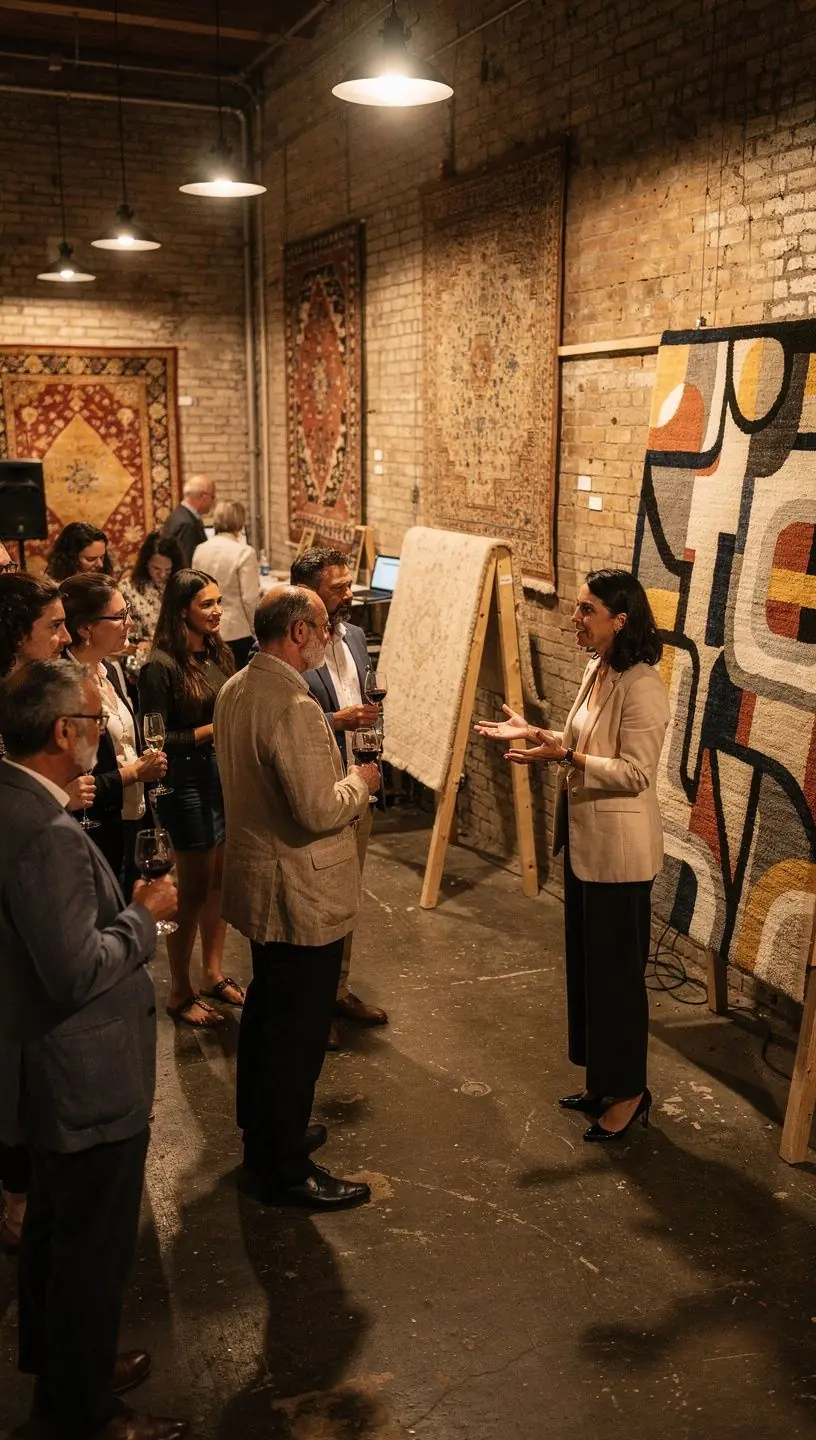
- Assess aesthetic preferences: Different weaving techniques yield various patterns and textures, so choose one that aligns with your home's decor.
Maintenance and Care
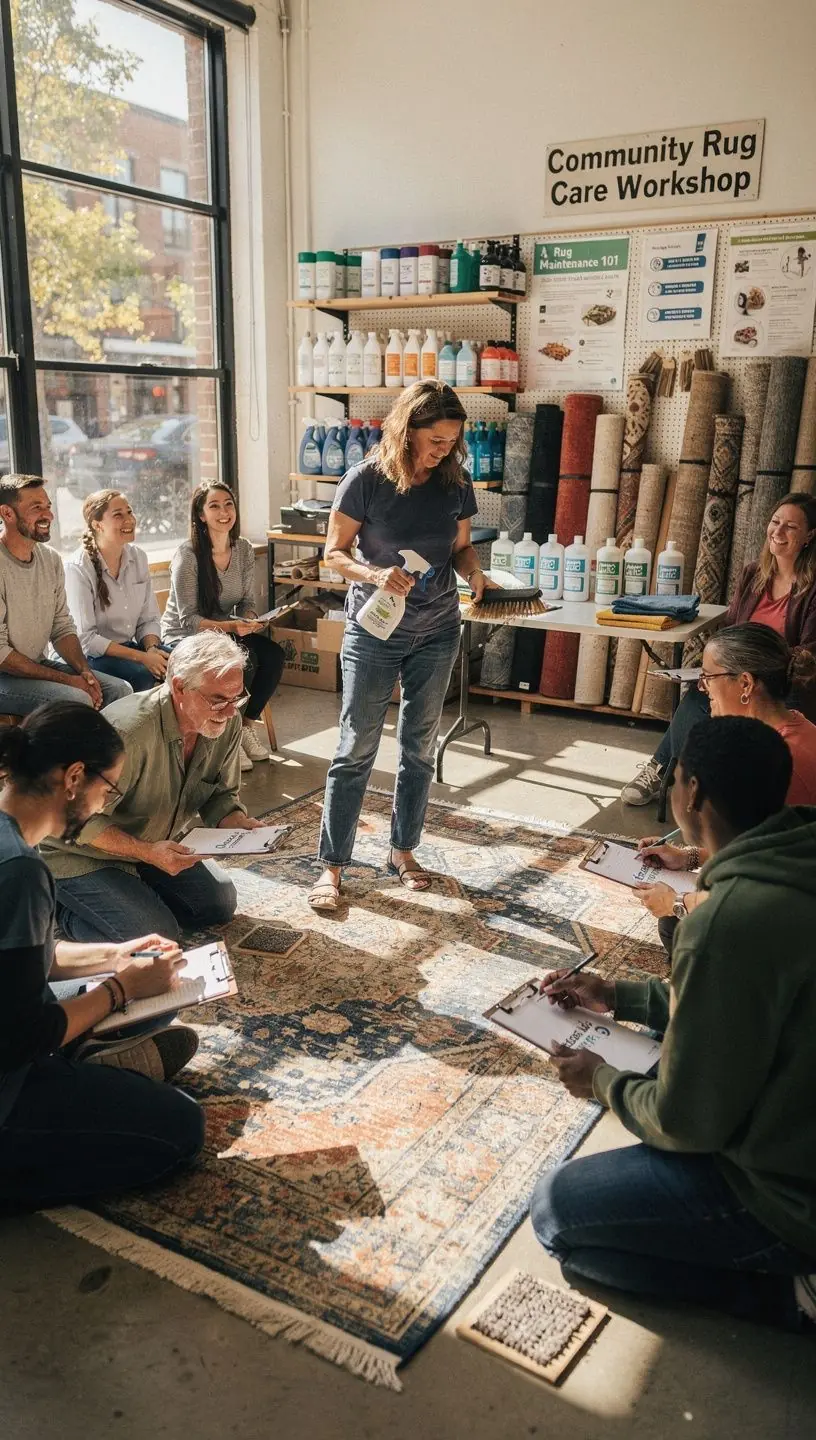
Regardless of the weaving technique, proper care is essential to maintain the beauty and longevity of your carpets. Regular vacuuming, professional cleaning, and timely repairs can significantly extend the life of your carpets. Research indicates that carpets maintained well can last anywhere from 10 to 20 years, depending on the material and usage.
Conclusion
Understanding the different carpet weaving techniques can help you make informed decisions when selecting a carpet for your home or business. Each technique has its pros and cons, and knowing these can guide you in choosing the one that best fits your lifestyle and aesthetic preferences. For those considering carpet care, restoration, or storage, our studio offers expert services tailored to your needs, ensuring your investment stands the test of time.
Learn More