
A Practical Guide to DIY Carpet Repairs
Carpets can enhance the beauty of any space, but wear and tear is inevitable. This guide will provide you with practical insights into repairing your carpet at home, helping you save money and extend its lifespan.
Understanding the Basics of Carpet Repair
Many homeowners find themselves confronted with carpet damage, whether from pet accidents, spills, or general wear. According to industry experts, addressing these issues promptly can prevent more severe damage and costly replacements. Understanding the materials and construction of your carpet is key to successful repairs. Most carpets consist of a face yarn, backing, and cushioning material. Each of these components requires specific methods for repair.
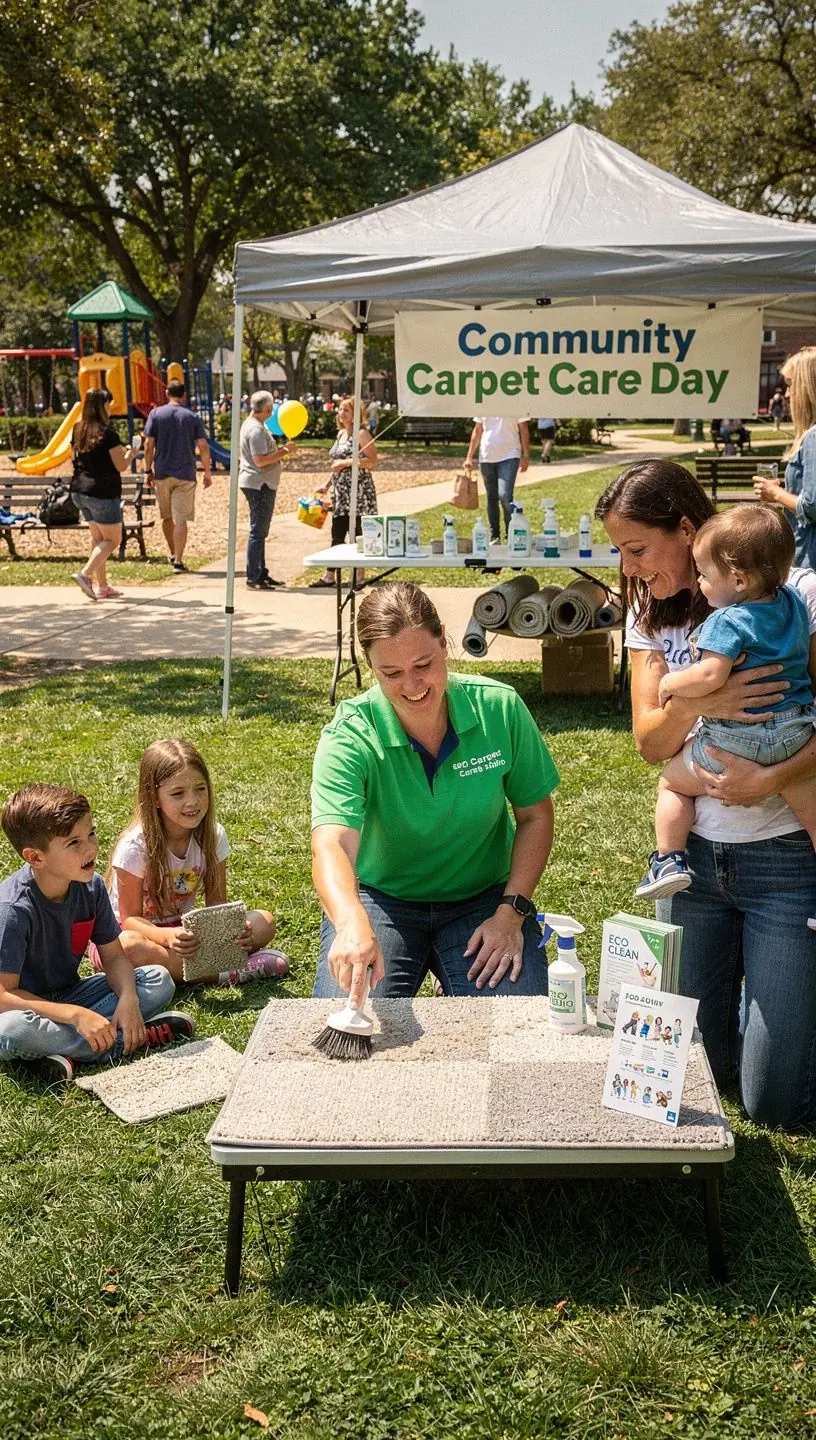
"Timely carpet maintenance can extend the life of your flooring significantly, often by several years." - Carpet and Rug Institute
Common Carpet Issues and Their Repairs
Here are some typical carpet problems you might encounter, along with suggested repair techniques:
- Burn Marks: Small burns can be carefully cut away with scissors. Use a piece of matching yarn to fill the gap, and secure it with adhesive.
- Stains: For most stains, a solution of warm water and dish soap can often lift the discoloration. Blot the area gently with a cloth, rather than scrubbing, to avoid further damage.
- Rip or Tear: For minor rips, you can use carpet adhesive to glue the edges back together. For larger tears, you may need to cut a patch from a hidden area of the carpet or from leftover material.
Step-by-Step Guide to Carpet Repair
To effectively repair your carpet, follow these steps:
- Assess the Damage: Determine the extent of the damage and choose an appropriate repair method.
- Gather Supplies: Depending on the issue, you may need scissors, carpet adhesive, matching yarn, and cleaning solutions.
- Prepare the Area: Clean the area around the damage to ensure a proper bond when making repairs.
- Execute the Repair: Follow the chosen method carefully, taking your time to ensure a neat and effective repair.
- Allow for Drying Time: After repairs, allow the area to dry completely. This may take several hours, depending on the method used.
When to Seek Professional Help
While many carpet repairs can be handled at home, some situations may require professional intervention. If the damage is extensive, or if you are uncertain about the repair process, consulting with a professional can be beneficial. According to research by the National Institute of Standards and Technology, professional restoration can often yield better long-term results for heavily damaged carpets.
Conclusion
DIY carpet repairs can be a rewarding and cost-effective solution for homeowners looking to maintain their flooring. By having a basic understanding of carpets and employing the right techniques, you can tackle many common issues effectively. Remember, the key to successful carpet maintenance lies in timely action and using appropriate methods.
Learn More