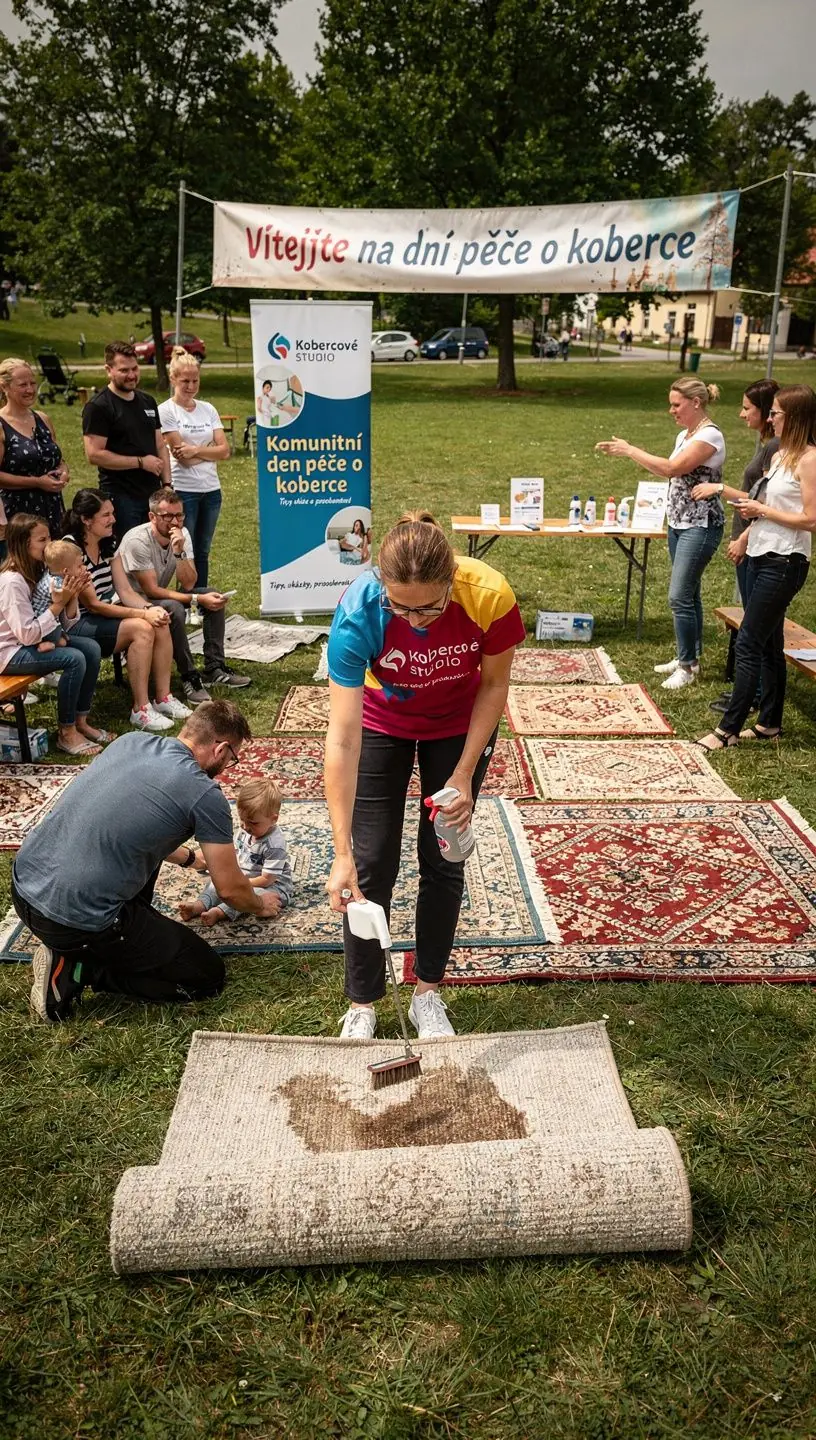
How to Choose the Right Carpet Cleaning Method
Selecting the appropriate carpet cleaning method can significantly impact the longevity and appearance of your carpets. This article aims to provide guidance on navigating the various options available, helping you make an informed choice.
Understanding the Basics of Carpet Cleaning
Carpet cleaning methods can vary widely in terms of effectiveness, cost, and suitability for different types of carpets. According to research, the choice of cleaning method often depends on several factors, including the type of carpet fiber, the level of soiling, and any specific stains present. Industry experts recommend understanding these factors before deciding on a cleaning method.

"Choosing the right cleaning method is crucial; it ensures that your carpets remain in good condition, extending their lifespan." - Carpet Care Professionals
Common Carpet Cleaning Methods
There are several carpet cleaning methods, each with its own advantages and limitations. Here are the most common approaches:
- Steam Cleaning: Also known as hot water extraction, this method involves using high-temperature water to remove dirt and stains. It is often effective for deep cleaning carpets. Many users report that it helps eliminate allergens and bacteria.
- Dry Cleaning: This technique employs specialized solvents to break down dirt without using water. It is especially suitable for delicate carpets, as it minimizes the risk of shrinkage. However, it typically requires professional assistance.
- Bonnet Cleaning: Common in commercial settings, this method uses a rotary machine fitted with a cleaning pad. It is effective for surface cleaning but may not address deep-set stains. Experts suggest it works best as a maintenance method rather than a deep cleaning solution.
Factors to Consider When Choosing a Method
When selecting a carpet cleaning method, consider the following:
- Type of Carpet Fiber: Different fibers react differently to various cleaning methods. For instance, synthetic fibers like nylon can often handle steam cleaning, while natural fibers such as wool may be better suited for dry cleaning.
- Type and Severity of Stains: For stubborn stains, steam cleaning may be more effective, while dry cleaning could suffice for light soiling. Understanding the nature of the stains on your carpet can guide your decision.
- Time and Resources: Some methods, like steam cleaning, may require more time for drying and preparation. In contrast, dry cleaning usually involves less downtime. Assess your schedule to determine which method fits best.
Expected Outcomes and Limitations
It’s important to set realistic expectations regarding the outcomes of carpet cleaning. While results can vary, many users observe improvements within a few hours to a couple of days after cleaning. However, achieving optimal results may sometimes require multiple cleaning sessions, especially for heavily soiled carpets.
Also, keep in mind that not all stains can be removed completely, and some may require specialized treatment. Experts recommend consulting with a professional if your carpet has persistent stains or requires significant restoration.
Conclusion
Choosing the right carpet cleaning method involves understanding your carpet's unique needs and the cleaning options available. By assessing the type of fiber, the nature of stains, and your time constraints, you can make an informed decision that will help preserve your carpets' beauty and longevity. Always consider consulting with professionals in the field for tailored advice and services that align with your specific situation.
Learn More