The Environmental Impact of Carpet Disposal
Carpets are a common feature in many homes and businesses, offering comfort and aesthetic value. However, their disposal poses significant environmental challenges that are often overlooked. Understanding the implications of carpet disposal can help you make informed choices about carpet care and restoration.
Understanding the Basics of Carpet Disposal
When carpets reach the end of their usable life, they are often discarded without considering the environmental effects. According to a study by the Carpet and Rug Institute, approximately 5 billion pounds of carpet end up in landfills in the United States each year. In the Czech Republic, similar trends have been observed, raising concerns among environmentalists and consumers alike.

"The disposal of carpets contributes significantly to landfill waste, which can take hundreds of years to decompose, releasing harmful substances into the environment."
The Environmental Impact
Carpets are primarily made from synthetic materials like nylon, polyester, and polypropylene, which do not decompose easily. This leads to several environmental issues:
- Landfill Overflow: Landfills in the Czech Republic are reaching capacity, and non-biodegradable carpets exacerbate this issue.
- Pollution: As carpets break down, they can release toxins that contaminate soil and groundwater.
- Resource Waste: The manufacturing process of carpets consumes significant resources, from water to fossil fuels, contributing to environmental degradation.
Alternatives to Carpet Disposal
Fortunately, there are several alternatives to disposing of old carpets that can mitigate environmental impact:
- Recycling: Many carpets can be recycled into new products, such as insulation or new carpet fibers. According to industry experts, about 25% of carpets are recycled in the best-case scenarios.
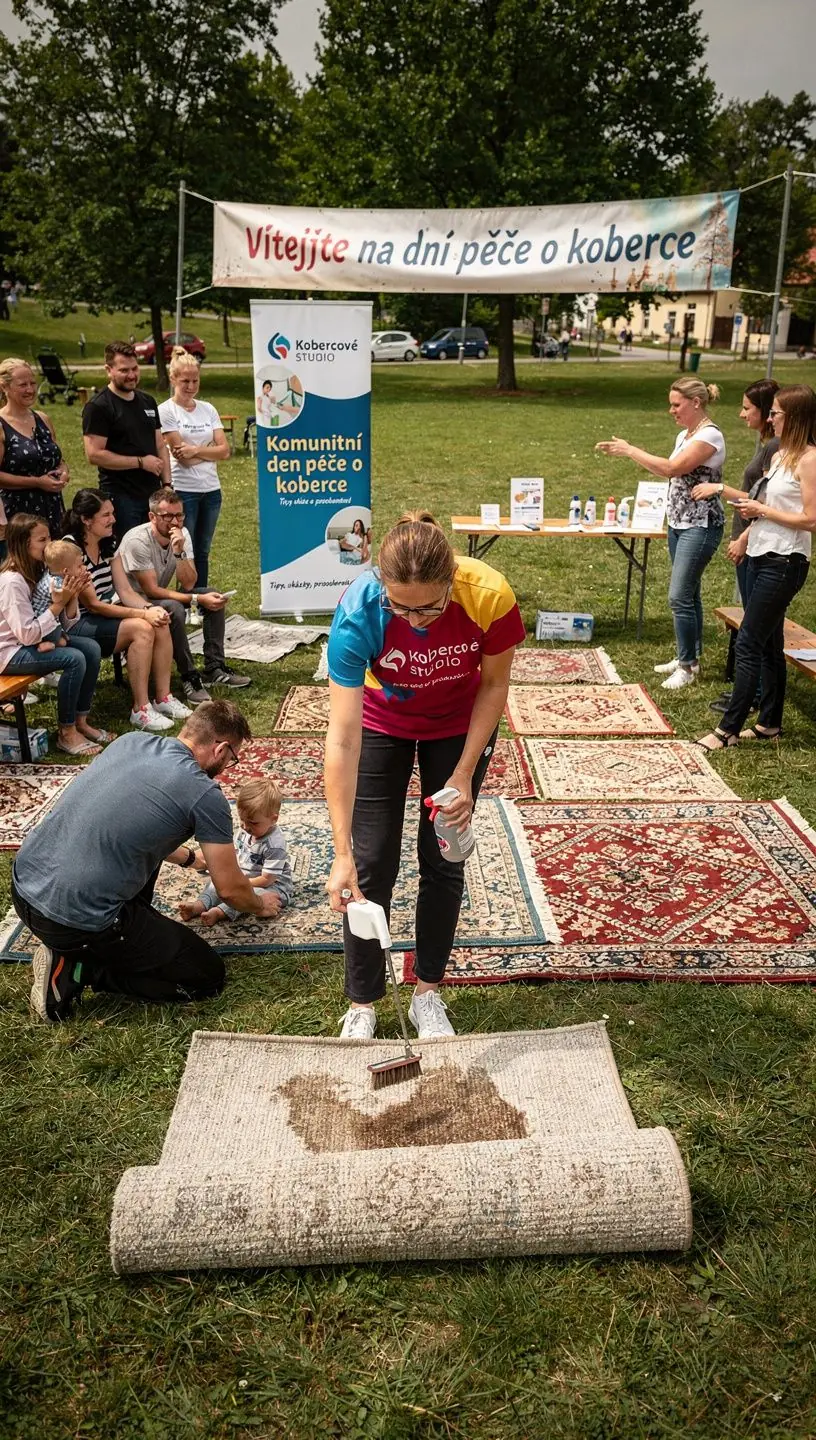
- Restoration: Restoring your carpet can extend its life and reduce waste. Professional cleaning and repair can often make a carpet usable for several more years.
- Donation: If the carpet is still in good condition, consider donating it to local charities or organizations that can use it.
Best Practices for Carpet Care
To minimize the environmental impact of your carpets, consider the following best practices:
- Regular cleaning can prolong the life of your carpet, reducing the need for premature disposal.
- Use environmentally-friendly cleaning products that do not contribute harmful chemicals to the environment.
- Consult with professionals about restoration and repair options before deciding to dispose of your carpet.
Conclusion
Understanding the environmental impact of carpet disposal is crucial for making responsible choices regarding carpet care and maintenance. By considering alternatives such as recycling, restoration, and donation, you can actively contribute to reducing landfill waste and promoting a more sustainable approach to carpet management. Remember that every action counts in the effort to protect our environment.
Learn More